Sign-up here to receive the monthly iED bulletin
Last month’s local elections may already feel like the dim and distant past now, with political attention quickly moving on to the next headline. The results may have changed the political landscape in many places, but the underlying challenge remains the same, and the focus must now return to delivery.
How do we create growth that is productive, inclusive and rooted in the strengths of local economies?
That question sits at the heart of the Institute of Economic Development’s Delivering Good Growth work, which continues to explore how places can build economies that genuinely benefit the communities they serve.
Politics in partnership
Good Growth is not simply about increasing economic output or improving headline statistics. It is about making sure growth improves real places and real lives. That means supporting better jobs, stronger local businesses, improved skills, resilient town centres, inclusive communities and places where people can genuinely feel the benefits of investment in their day-to-day lives.
The iED, and the Business Board Network, believe that productive local economies are created through partnership. Public sector leaders have a vital role in setting direction, convening partners and ensuring growth is connected to local need. At the same time, the private sector brings investment, innovation, jobs and valuable market insight. When those strengths are brought together effectively, places are far better positioned to succeed.
After all, the strongest local economies are not built by one organisation or one sector acting alone. They are built through trust, shared priorities and a clear understanding of what each partner brings to the table.
Creating conditions for growth
Good Growth also means asking more searching questions about economic success. Not simply whether the economy is growing, but who benefits, where investment lands and whether communities can see and feel the impact themselves.
Whatever the political make-up of councils, combined authorities and devolved administrations following the elections – and given another shake up is expected following the impending LGR – the priority now must be creating the conditions for productive local growth. That means strong public sector leadership, active business engagement, investment in skills, and support for town centres and high streets. It also requires better alignment between local and national policy, and stronger collaboration between councils, employers, education providers, investors and community partners.
A conversation beyond politics
This is not about ignoring politics. Democratic change matters. But economic development works best when places can get above the party-political cycle and focus on what will genuinely help communities grow over the long term. For example, finding ways to enforce long-term planning policies which are able to survive even the most turbulent of election outcomes.
Local growth cannot be allowed to become trapped in political division. Communities need practical action, long-term thinking and genuine partnership between the public and private sectors. And beyond the election results themselves, that is now the conversation that matters most.
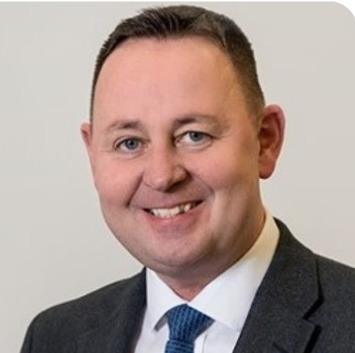
Mark Livesey is CEO, Business Board Network and an iED board member.
Would you like to write for the iED? As part of iED individual and organisation membership, ALL members have the opportunity to publish articles on our website. We are now seeking ideas for contributions from members, including those in our Early Career Network. These can be around any aspect of economic development, insights on work you are undertaking and project successes you would like to share, or any viewpoint you would like to express. If you have an article proposal please contact: Jac Jordan, Institute of Economic Development PR consultant, Tel: 01706 214 340/ 07887 416 182, email: jac@vivapr.co.uk